Mud Tubes on Your Foundation: Bait or Liquid Treatment?
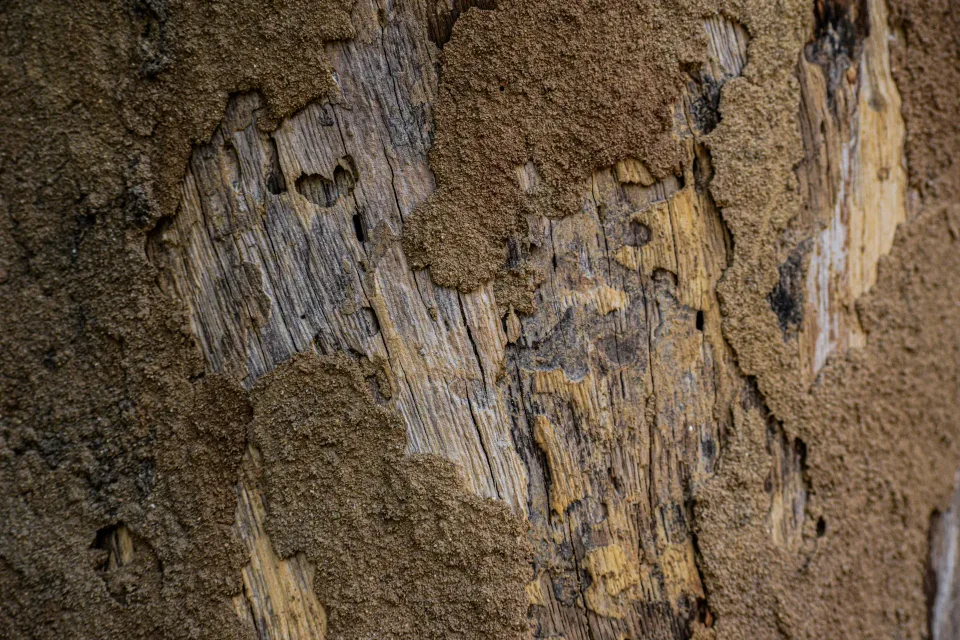
Mud tubes along your slab after a spring rain mean subterranean termites are commuting between the soil and your house, and the right fix depends on how they travel. Liquid barrier treatments treat the soil around and under your foundation so termites pick up product as they move through it, while bait stations intercept the colony before it reaches your walls.
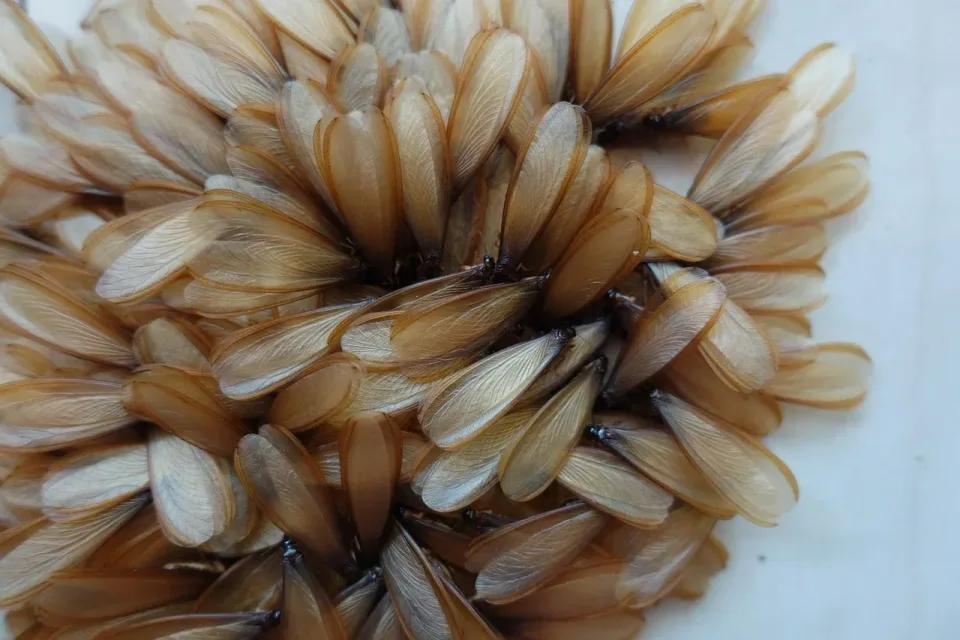
We get calls every week from homeowners who found discarded wings near windows and want an answer before the damage spreads. Louisiana Pest Pros starts every decision with an inspection, because treating soil you cannot reach or baiting a colony that is already inside wastes money either way.
What Does a Liquid Soil Treatment Actually Do?
Long, hot summers increase termite activity across south Louisiana, and our humidity keeps colonies feeding when homeowners in other states get a winter break. That is why the Sentricon-versus-liquid decision matters more here than almost anywhere else in Louisiana. Here is how we walk customers through it.
A liquid termiticide such as Termidor HE or Taurus SC is trenched or rodded into the soil around your foundation, creating a treated zone termites pass through on their way to your framing. Application rates follow product-label directions, which is not negotiable under the Louisiana Pesticide Law and EPA-approved labels, the label is the law.
Liquid work makes sense when you have an active infestation you want stopped fast, because termites contacting treated soil carry product back and the colony collapses. The trade-off: we need clear access to the foundation perimeter, and homes with patios, porches, or attached slabs may need 1/2-inch drill holes through concrete to treat underneath.
How Do Termite Bait Stations Work Differently?
Baiting flips the approach. Instead of treating soil, we install stations in the ground at label-directed spacing, and the termites feed on bait and share it through the colony.
The Sentricon Always Active system and the Trelona ATBS system both work this way, and they shine when you want continuous monitoring without drilling through your porch or treating near a well. The catch is patience termite bait monitoring commonly requires repeat visits, so a bait plan is a commitment to scheduled follow-ups, not a one-day fix.
Around the Atchafalaya Basin, where high water tables and heavy clay soil complicate trenching, baiting is often the cleaner option.
Which Option Handles Formosan Termites?
Formosan subterranean termites are the reason we do not treat every job the same. Their colonies can number in the millions, and a small bait program sized for an eastern subterranean colony can be overwhelmed.
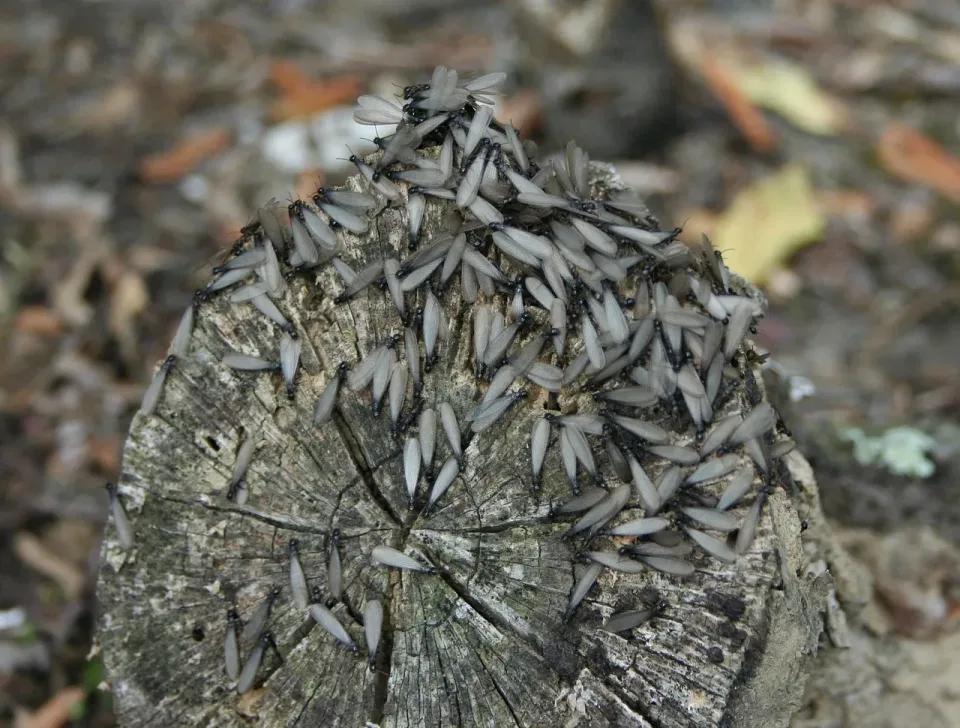
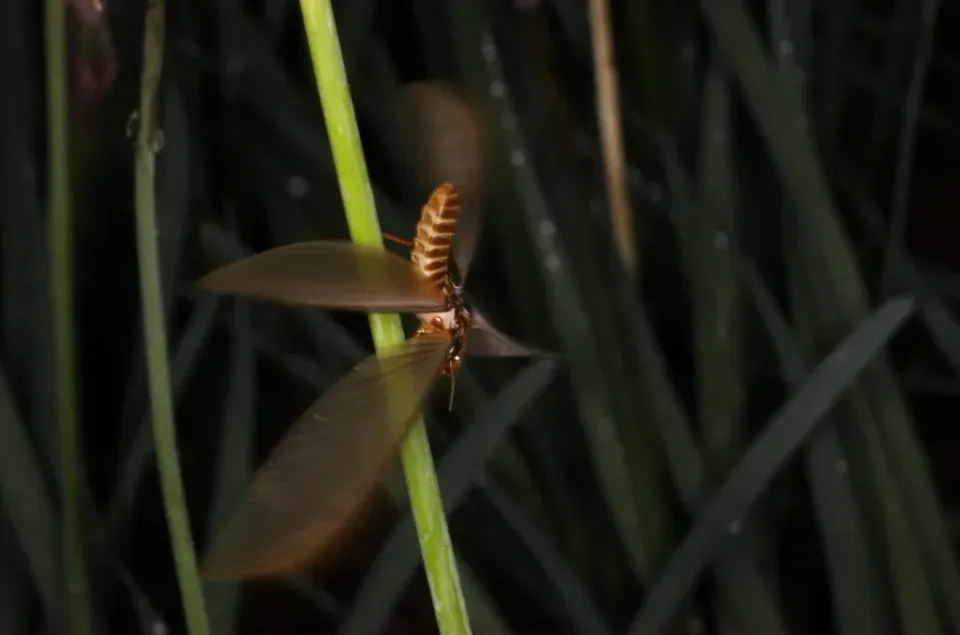
Formosan swarm season often peaks April through June, and warm fall weather can extend swarms past what homeowners expect. When we find Formosan activity hollow-sounding wood, swarmers indoors after rain we usually recommend a combined approach: a liquid treatment zone for immediate protection plus bait stations for long-term colony reduction. That is also why annual termite inspections matter; new activity can show up within a season.
When Should You DIY and When Do You Call a Pro?
Honest answer: almost never for either system. Over-the-counter sprays do not create a compliant treated zone, and misapplied termiticide around your foundation can push termites toward untreated entry points.
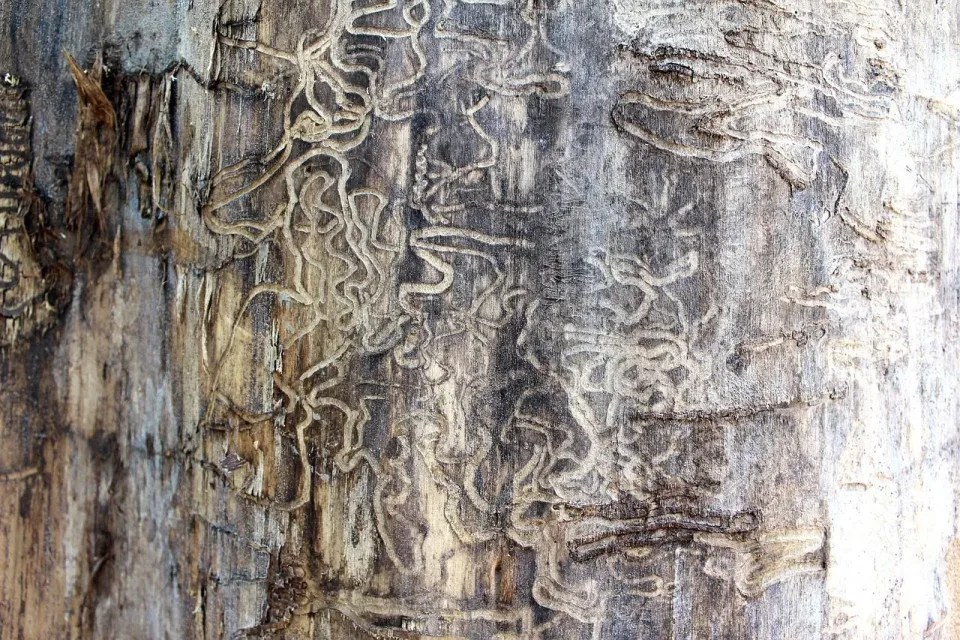
What you can do yourself is reduce risk fix dripping hoses, move firewood off the ground, and keep mulch below siding. If you see mud tubes, frass, or swarmers, that is the call-a-pro line.
A licensed operator can run a borescope camera and moisture meter to find activity you cannot see, and termite damage may remain hidden behind finished surfaces long before it shows. Our team holds a Louisiana commercial applicator license through LDAF, and every job is documented so you know what was applied and where.
For more on spotting early signs, see our guide to mud tubes on a Louisiana foundation, and our breakdown of why Formosan swarmers appear indoors after rain. Full treatment details live on our termite treatment page.
Which Termite Treatment Option Is Right for Your Job?
The right system depends on your foundation type, the colony size, and how much ongoing monitoring you want. Here is the quick comparison we draw on truck tailgates:
| Option | Best for | Key detail |
|---|---|---|
| Liquid termite soil treatment | Active infestations needing fast knockdown | Treated soil barrier; may require 1/2-inch drill holes through slabs |
| Subterranean termite baiting | Homes where drilling or trenching is impractical | Stations at label-directed spacing with ongoing monitoring visits |
| Formosan termite treatment | Large or mixed colonies | Often combines a liquid zone with bait stations |
| Crawlspace-focused work | Pier-and-beam homes | Access dimensions vary by property and shape the method |
One more thing homeowners overlook: treatment records and product documentation matter. If you sell the house, buyers and inspectors will ask what was applied, when, and at what rate. Keep every report we issue. And remember that a bait station plan is a service relationship, not a product purchase the monitoring visits are where the value is.
How Do You Prepare for a Termite Treatment?
A homeowner in Lafayette called us after finding swarmers in her hallway the morning after a storm she wanted the treatment done before her weekend guests arrived. Here is the prep sequence we gave her, and it applies to nearly every job:
-
Clear the foundation perimeter: Move stored items, planters, and debris at least a few feet out so we can trench or inspect the full run.
-
Unlock gates and secure pets: Dogs in the yard stall the crew and stress the animal during application.
-
Provide attic and crawlspace access: Wood-to-soil contact in a crawlspace is a leading subterranean termite risk, and we need to see it.
-
Disclose previous treatments: Old termiticide in the soil changes how a new treated zone bonds, so tell us what has been done before.
-
Follow the product-label reentry interval: Stay off treated areas for the time stated on the label usually a few hours.
-
Schedule follow-up bait-station inspections: Bait systems only work if the monitoring visits actually happen; skipping them is the failure mode we see most.
Do that, and treatment day runs in one visit instead of two.
Ready to Get the Right Termite Protection for Your Home?
Bait or liquid is not a brand debate it is a match between the system and your colony, your foundation, and your tolerance for follow-up visits. A proper termite inspection documents visible evidence and conducive conditions, which is exactly what a buyer’s lender or a realtor will ask for on a home purchase in the Lafayette area. Here is the path:
-
Review the findings: We explain activity, moisture issues, and entry points in plain language.
-
Pick the system: Liquid for fast knockdown, bait for monitored long-term control, or both for Formosan pressure.
-
Stay on the schedule: Annual termite inspections can identify new activity before it becomes damage.
Formosan colonies can contain millions of termites, so waiting out a swarm season is not a plan. Call Louisiana Pest Pros at (858) 681-0299 or visit our termite bait installation page to get a quote built around your house, not a template.