Why Do Formosan Swarmers Show Up Indoors After Rain?
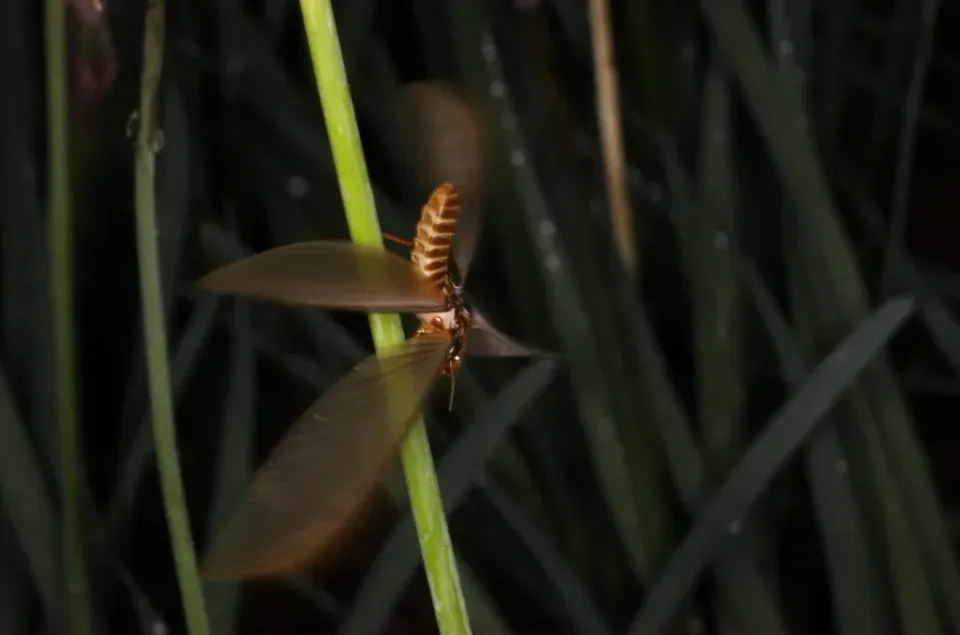
Formosan termite swarmers indoors after rain may mean a nearby colony is releasing winged adults, but the insects alone do not show where the colony is located. Save a specimen or clear photo, then check nearby windows and doors for additional signs. Brief freezes can drive rodents inside, but that seasonal indoor movement is a separate issue from termite swarmers; identify the insect before choosing a treatment.
In Baton Rouge, homes near the Louisiana State Capitol face the same need for careful identification as other Louisiana properties. A caller saying, “I want it taken out right away.
I already got stung ones,” may be describing a painful stinging pest rather than termites, which do not sting people. We first sort out what the customer saw, then explain the next inspection step.
Why can Louisiana rain bring swarmers indoors?
Finding winged insects inside after a downpour is unsettling, but rain does not prove that water created a termite colony inside your home. It can bring attention to activity that was already nearby, and a careful inspection helps separate a swarm event from established structural activity.
South Louisiana generally has higher humidity and rainfall, so homeowners may be dealing with damp conditions around a foundation as well as insects seeking a way out. The practical question is where the swarmers came from not simply how many landed on a windowsill.
Louisiana Tech University in Ruston is a useful regional reference point: homeowners in north Louisiana should account for cooler winters when they plan seasonal checks, while still watching for activity at other times. Long, hot summers increase termite and mosquito activity, so a busy summer pest season can make it easier to overlook a brief termite swarm. We document the location and visible evidence rather than treating every flying insect as proof of a colony.
What clues help distinguish an indoor swarm?
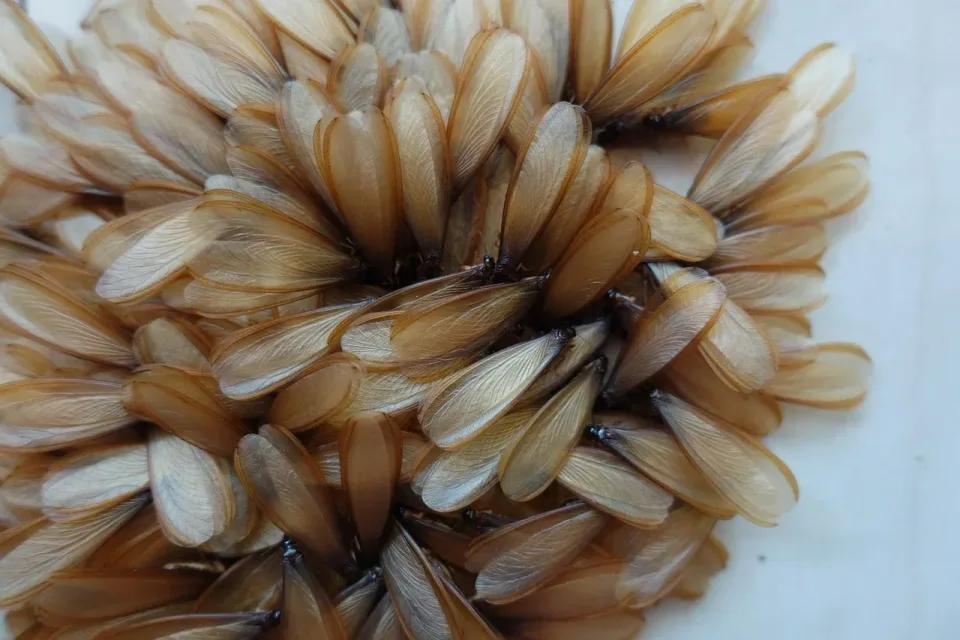
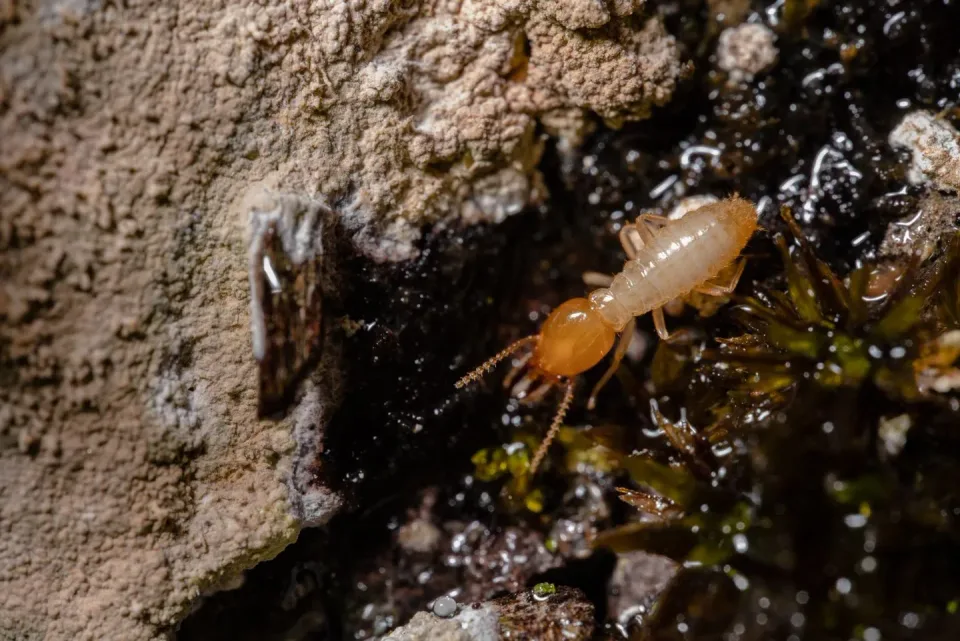
Start with the insects and the place where they appeared. Look for discarded wings near windows and doors, and note whether swarmers gathered at a light or appeared in more than one room. Do not sweep away every clue before taking a photo. A close look at the insect and its wings can help a technician assess whether a termite inspection is warranted.
At the Mall of Louisiana in Baton Rouge, visitors know how a crowd can collect around a bright entrance; indoor swarmers may likewise gather near lights, but the location alone does not establish a nest. Frequent rainfall leaves standing water and mosquito habitat, so flying insects after a storm are not automatically termites.
Save a sample in a closed container if you can do so safely, and record the room and date. That simple detail can help us make the inspection more focused.
When should you call instead of handling it yourself?
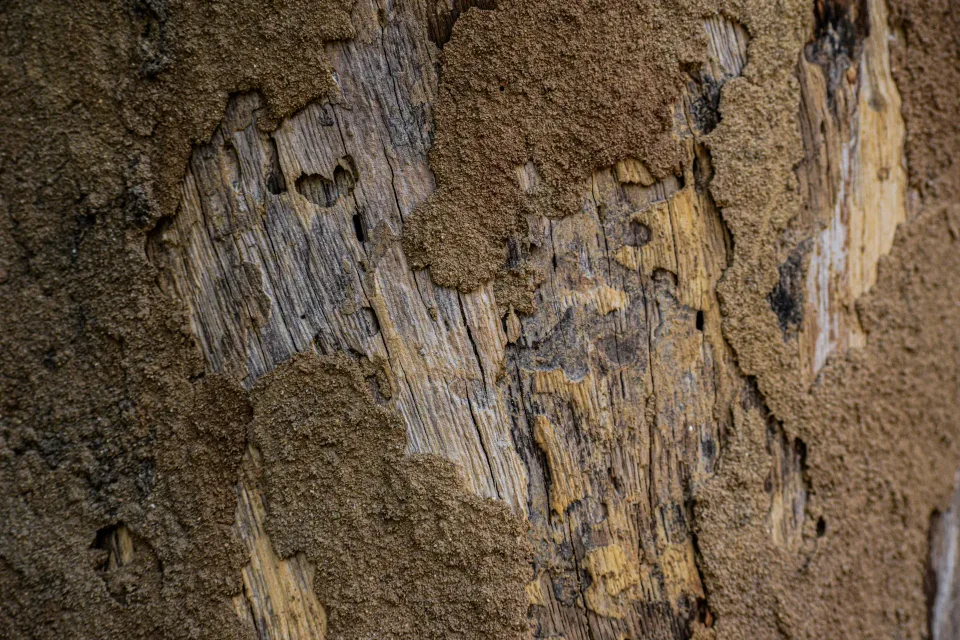
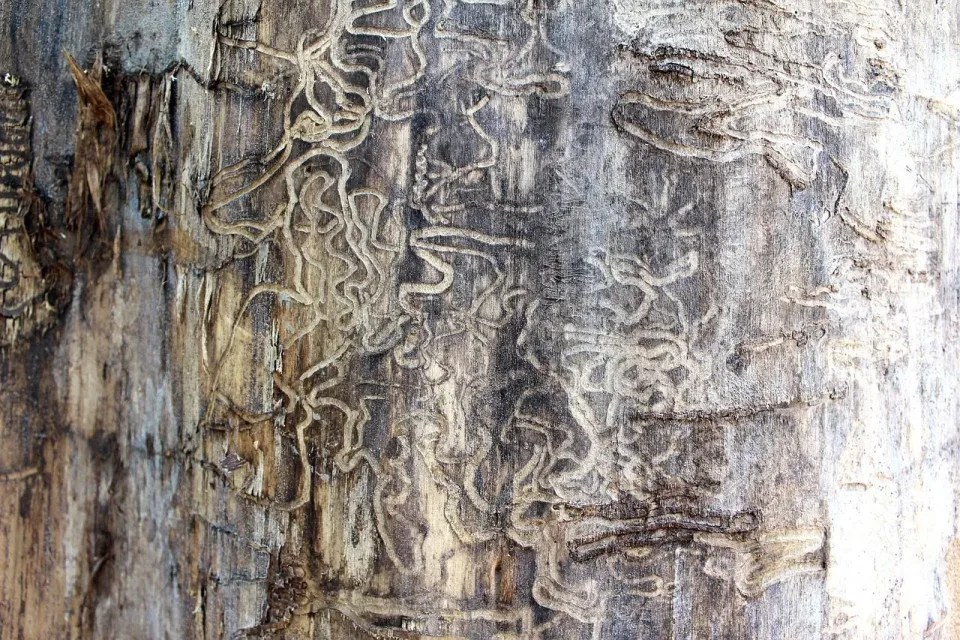
If you see repeated swarms, wings inside several rooms, mud-like material, or damaged wood, arrange a professional assessment rather than spraying blindly. A homeowner can safely photograph insects and inspect accessible areas without disturbing suspected termite galleries. The step people often skip is checking the outside of the same wall for a likely entry point or other evidence.
Freeze-thaw cycles are limited across much of Louisiana, which means seasonal temperature swings may not give homeowners a reliable signal for when to check. Warm fall weather can extend ant and termite swarms, so do not dismiss a later-season sighting as impossible.
We inspect visible conditions and explain what the evidence supports before recommending a treatment. Our Termite Inspection page explains the kind of assessment to request; the mud-tube guide can help you understand one common clue.
What does a Formosan inspection need to establish?
A swarm is a reason to investigate, not a treatment plan by itself. The inspection should connect the insects to the building: where they emerged, whether there are other signs, and what areas can be accessed. Louisiana’s long, hot summers also increase mosquito activity, so a technician should identify the pest before choosing any product or application method.
Baton Rouge homes around the Mall of Louisiana and properties in north Louisiana do not have identical site conditions; we make recommendations from the actual structure and evidence, not a regional assumption. If termite activity is confirmed, the right approach depends on findings and access.
We explain the options in plain language and document what we observe. For background on how different termite approaches compare, read Sentricon vs. Liquid Termiticide.
Which Termite Option Fits the Evidence?
The right option depends on what an inspection finds, where activity is present, and whether the concern is termites or another pest. A wet crawlspace deserves attention before anyone assumes a swarm calls for a specific treatment.
Heavy rains can raise crawlspace and slab moisture, so tell the inspector about recurring damp areas and provide access when possible. Near the University of Louisiana at Lafayette, as elsewhere, conditions at one property cannot establish what is happening at another.
The Atchafalaya Basin is a useful reminder of Louisiana’s water-rich setting, but a home still needs its own assessment.
| Option | Best for | Key detail |
|---|---|---|
| Liquid termite soil treatment | Confirmed termite risk around accessible foundations | Soil barrier; access and treated area matter |
| Subterranean termite baiting | Monitoring termite activity around a structure | Stations require ongoing monitoring |
| Formosan termite treatment | Confirmed Formosan activity | Method depends on infestation evidence |
| Mosquito barrier treatment | Mosquito concerns around a property | Foliage treatment; area is property-specific |
How to Prepare for a Swarm Inspection
Use these steps to make an inspection more useful and avoid blocking access to the evidence. Dry spells can send pests seeking indoor water, so mention recent changes in moisture or pest activity even if the swarm followed rain. At Louisiana State University in Baton Rouge, students and staff may see research buildings operate on planned access; the same practical principle applies at home make sure the crew can reach the areas needing inspection.
-
Save evidence: Photograph insects and any wings, noting the room and date before cleaning the area.
-
Clear the perimeter: Move stored items away from exterior walls so the foundation can be checked.
-
Open access: Unlock gates before the appointment and make attic or crawlspace access available if safe.
-
Share history: Disclose previous termite work and any recurring moisture concerns.
-
Protect household members: Follow the product-label reentry interval if treatment is recommended; ask the technician what instructions apply to the product used.
-
Plan follow-up: If a monitoring system is installed, schedule its follow-up visits rather than treating the initial visit as the end of the process.
University of Louisiana at Monroe is another reminder that local institutions plan around access and scheduled work; at home, clear entry can prevent an inspection from missing a hard-to-reach area.
Who Should I Call About Swarmers After Rain?
If swarmers appear inside after a storm, wings collect by a window, or wood sounds hollow, do not assume the cause from one clue alone. A clear inspection connects what you saw to the structure and helps determine whether treatment is needed.
Coastal areas face storm surge and saltwater flooding, so properties in those settings may also need attention to water intrusion and building conditions before pest work begins. Alexandria Zoological Park is a familiar local reference, but the relevant evidence is always at your home not a landmark or neighborhood.
Our crew explains findings and documents the recommended next steps. For a calm assessment of termite activity, contact Louisiana Pest Pros through our Termite Inspection service and ask what areas should be accessible before the visit.