Are Mud Tubes on My Foundation Termites?
You spotted a brown, pencil-width tunnel climbing the brick along your slab in most Louisiana cases, yes, that mud tube means subterranean termites are traveling between the soil and your home. Termites build these tubes for protected travel, keeping themselves moist and hidden from ants and sunlight while they commute to the wood in your walls. We get calls about this constantly, especially from homeowners in older neighborhoods near the Garden District where raised and slab foundations sit close to damp soil.
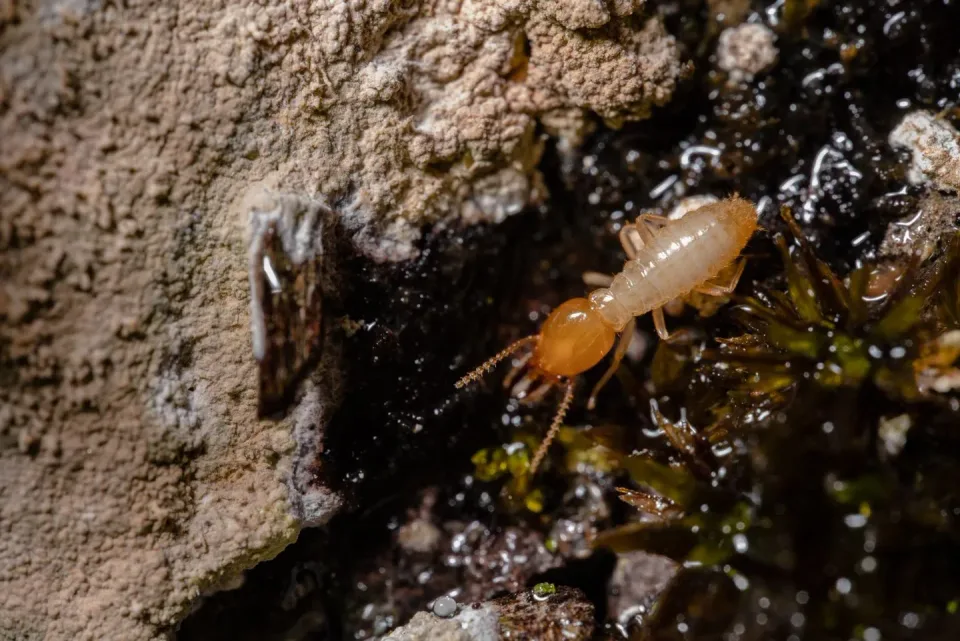
If you break a tube open and see live, pale workers inside, do not stop there the tube is just the visible tip of activity that may run the full perimeter. A proper wood-destroying insect inspection documents the evidence, and Louisiana Pest Pros can tell you whether you are looking at an active colony or an old, abandoned trail before you spend a dollar on treatment.
What Do Termite Mud Tubes Look Like?
Most homeowners first notice tubes during yard work or after a rain when wet soil makes the tunnels stand out against a foundation. The good news: identification is straightforward once you know what to look for.
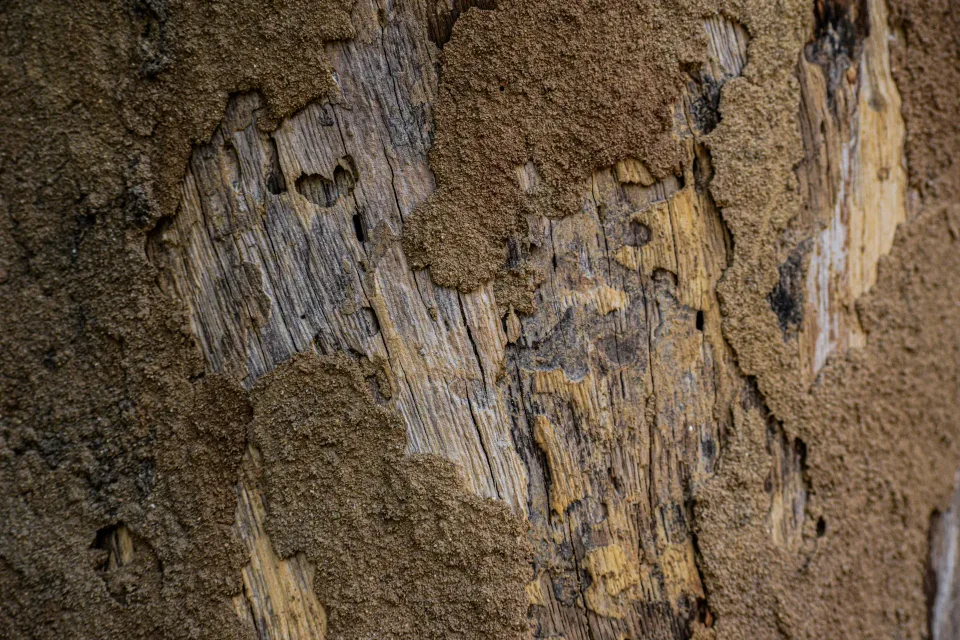
A working tube is typically pencil-width to finger-width, hard-packed, and brownish, running from soil up over slab edges, brick, or piers. When you snap a section off, active tubes feel moist and dark inside; abandoned ones crumble dry and pale. We carry a moisture meter on inspections for exactly this reason reading whether the tube is live is a judgment call homeowners should not make alone, because termite damage may remain hidden behind finished surfaces long after the visible trail is gone.
Formosan Termites or Native Subterraneans Which One Built It?
Louisiana hosts both the eastern subterranean termite and the far more aggressive Formosan subterranean termite, and the difference matters for treatment. Formosan colonies can contain millions of termites numbers native colonies rarely approach and they build broader, carton-like galleries that can push into wall voids.
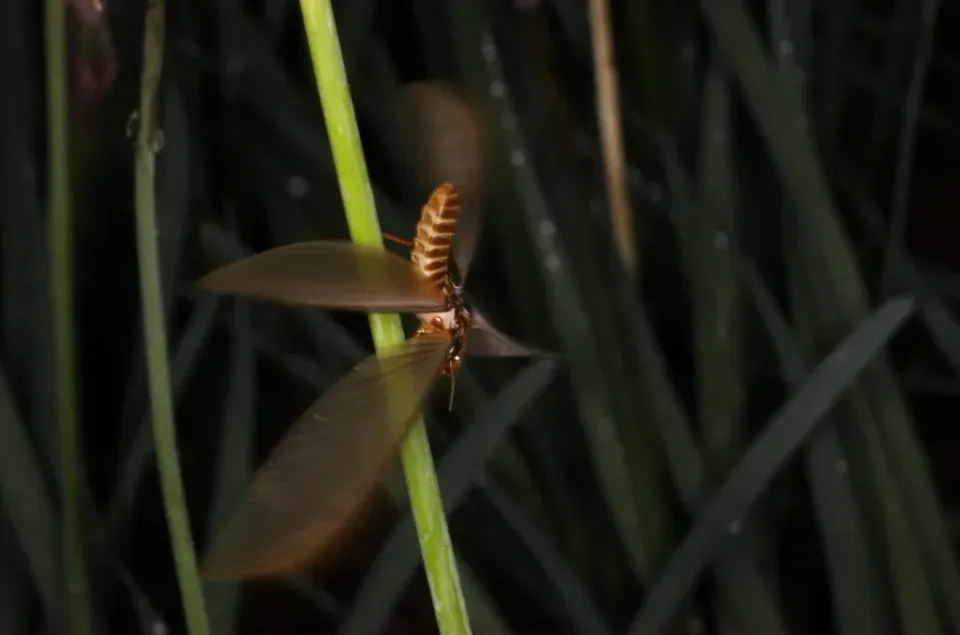
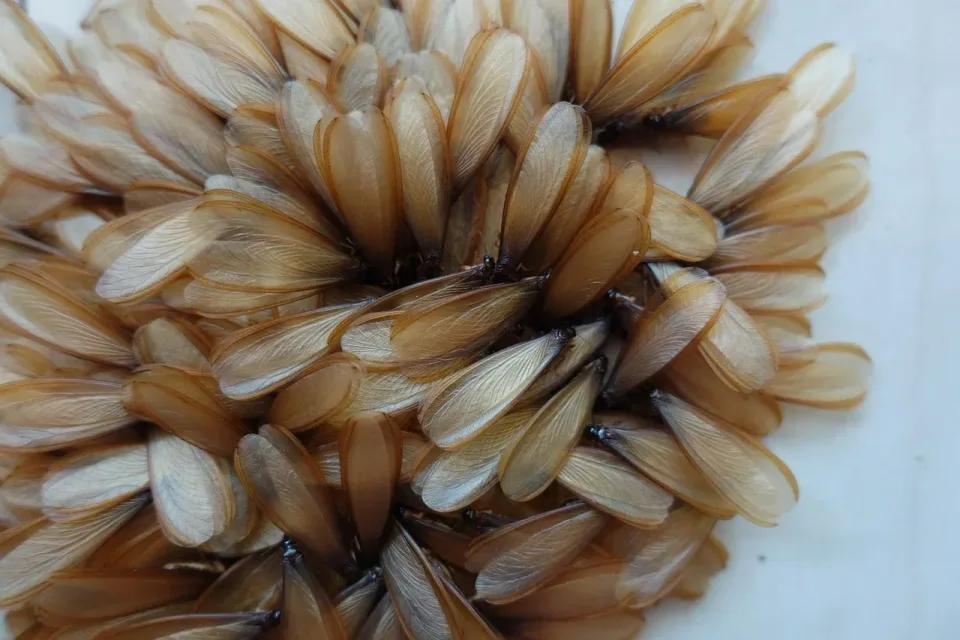
Swarm season is another clue: Formosan swarmers often peak April through June, appearing after warm evening rains. If your home sits near heavy tree cover like the neighborhoods around Louisiana State University in Baton Rouge, or older districts in Ruston near Louisiana Tech University, assume the higher-stakes scenario until an inspection proves otherwise.
How Much Does Termite Treatment Cost in Louisiana?
Budget ranges before you commit. Spring storms can expose roof and foundation openings, so recheck the perimeter each season a small repair now beats a full treatment later.
When Should You DIY and When Should You Call a Pro?
Here is our honest line in the field: you can break open a tube to confirm activity and fix drainage or wood-to-soil contact yourself. But applying a termiticide is different application rates must follow product-label directions, and a misapplied barrier around a pier-and-beam crawlspace often just relocates the colony.
If tubes reappear within weeks, or you find hollow-sounding wood or sagging floors above a crawlspace, call us. We treat the full structure, not just the tube you can see, and we document findings so follow-up visits have a baseline.
Which Treatment Option Fits Your Termite Problem
Once a tube confirms termite activity, the treatment choice depends on species, construction type, and how much monitoring you want. Species identification before treatment selection is the step we never skip baiting Formosan colonies and baiting a small eastern subterranean colony are not the same job.
Every product we apply is EPA-registered and used according to its label, and our written inspection reports document the visible evidence so you know exactly what justified the plan. Here is how the common options compare.
| Option | Best for | Key detail |
|---|---|---|
| Liquid termite soil treatment | Slab homes needing a fast barrier | Treated soil along the perimeter; drill holes commonly 1/2 inch through slabs |
| Subterranean termite baiting | Homeowners preferring monitored control | Station spacing is product-label directed; ongoing monitoring required |
| Formosan termite treatment | Aggressive, large-colony infestations | Scope set by infestation extent and method after identification |
| Mosquito barrier treatment | Yards with standing water after rain | Foliage and resting-site application, property-specific coverage |
| Fire ant mound treatment | Individual mounds in lawns and beds | Targeted mound application rather than broadcast spraying |
How Do You Prepare for a Termite Inspection?
A homeowner in Baton Rouge called us last spring after finding tubes along a slab near the Mall of Louisiana area the visit went smoothly because she had moved storage boxes off the foundation line the night before. That is the whole game: access.
North Louisiana winters are cooler than coastal winters, but termites stay active year-round here, so there is no bad season to schedule. Follow these steps before we arrive:
-
Clear the foundation perimeter: Move stored items, mulch piles, and planters at least a couple of feet off the wall so we can see and treat the full slab edge.
-
Provide attic and crawlspace access: Open crawlspace doors and clear attic hatch paths tubes and moisture problems often start where you cannot see them.
-
Secure pets during application: Board dogs or keep them indoors away from treated zones until reentry intervals on the product label pass.
-
Schedule follow-up bait-station inspections: If baiting is chosen, mark the calendar; monitoring requires repeat visits to check consumption and refill stations.
-
Ask about documentation: Request the written inspection report so future buyers or insurers have the evidence on record.
Ready to Get That Foundation Checked?
A mud tube is your home’s clearest early warning, and acting on it is cheap compared to the alternative. South Louisiana generally has higher humidity and rainfall, and because freeze-thaw cycles are limited across much of the state, termite pressure never really takes a winter off moisture around foundations near Lafayette, especially homes close to the University of Louisiana at Lafayette with mature oaks, keeps colonies fed and moving.
Annual termite inspections can identify new activity before it becomes structural damage, and Formosan colonies can grow into the millions, so waiting a season is a real gamble. Louisiana Pest Pros offers termite treatment backed by documented inspections and follow-up monitoring.
Call us at (855) 681-0299 or request a quote through our termite treatment page we will walk the foundation with you and explain exactly what we find.